Laying a Strong Foundation – A Day in the Life of Eileen Santiago – Special Education Teacher
It’s 8 a.m. and a small group of 15 and 16-year-old students are in the cafeteria at McArthur High in Hollywood. They are wiping the tables and helping reorganize the room.
Working with them is their teacher Eileen Santiago. She’s giving them basic instructions on how to make sure the tables are clean. It’s not a typical task for students, but these aren’t your average kids. Her class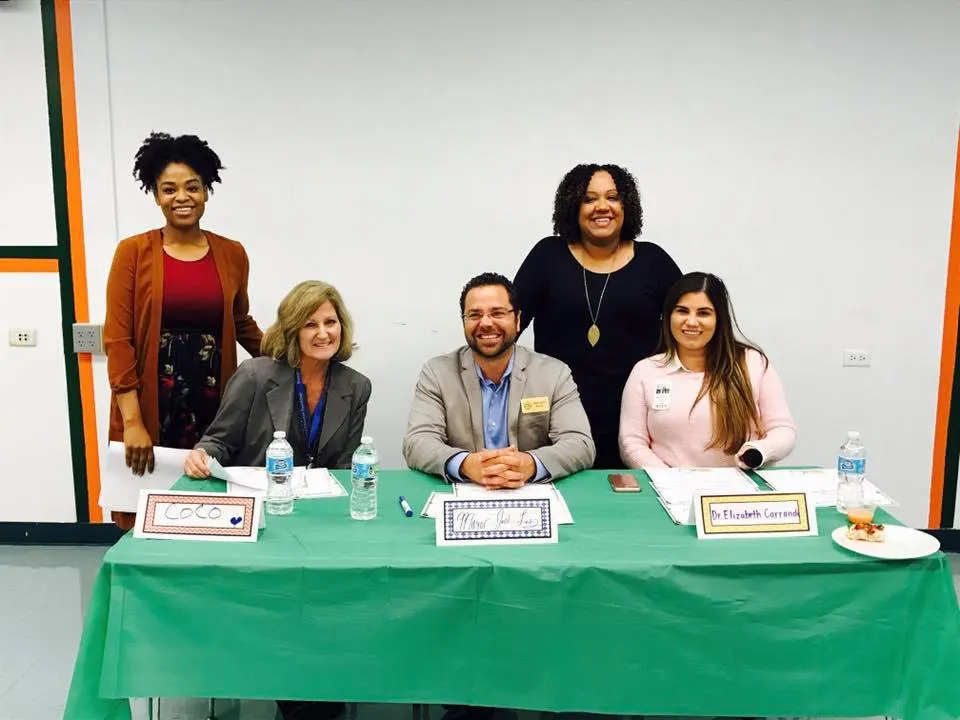 includes teenagers with autism, intellectual disabilities, down syndrome, language and hearing impairment.
“I try to teach them these basic skills because, [for] a lot of them, when they get home everything is done for them. I want them to know what independence means,” explained the graduate of Broward College Teacher Education Program (TEP) as she holds Christina’s hand and guides the rag she’s using over each corner of the table.
“Great job Christina,” she says. The teenager flashes an excited smile.
Santiago is with the 13 students all day, teaching English, math, reading, social studies and social skills. “When you focus on special education, you have to use the methods that work. Your lesson plans have to be diverse and everything you do has to reinforce the curriculum.”
By 8:30 a.m. Santiago and Laurel Belfonte, her intern and TEP student in her final year at Broward College, help the teenagers wash up. Then, they form a line as they walk to the school library. There’s one more thing to do before they go to their homeroom: help the librarian restock the shelves with books that have been returned. This helps them count, learn the computer, and master the alphabet as they scan the books and put them back in alphabetical or numerical order.
An hour later they’re settled in the classroom. Today is special; they’re adding another item to their recipe books. They’re writing out the recipe they learned for special breakfast toasts yesterday. As part a grant program, Santiago takes her students on field trips to different restaurants nearby, where they’re taught how to make basic foods like salads, sandwiches, smoothies, hamburgers and pizza.
“How many strawberries do you need for two servings of the toast?” Five hands are swiftly raised.
“Working on their menus means they’re work on writing, spelling and typing on the computer. This is a big achievement,” she interjects before turning to hear the responses. The menus are also helping the students prepare for The Top Chef competition where they get to show off what they’ve learned to family, friends, and the rest of the school.
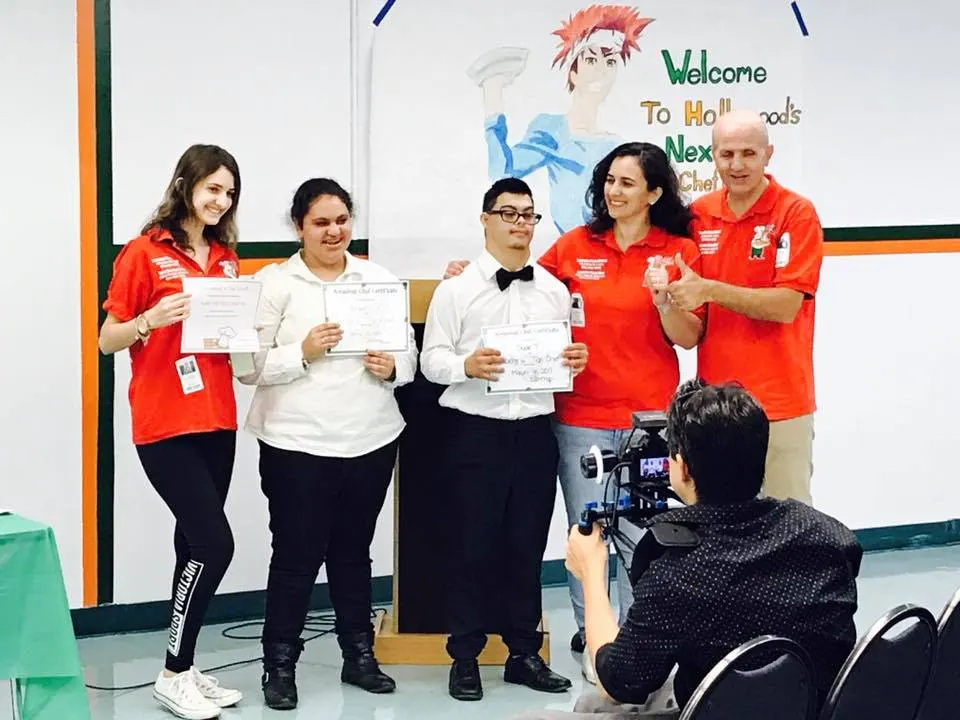
That’s a typical morning for Santiago. “When they come back we might do language arts. Today it may be Bingo on vocabulary or writing sentences. I use games because it allows them to practice social skills and team work.”
Santiago now holds a master’s degree from Nova University. She’s been at McArthur High less than a year, but she’s already made her mark. Over her five-year career, she has been recognized as Teacher of the Year, given a special award by Univision-TV and also benefitted from over $10,000 in grant funding from the Broward Education Foundation.
“It’s so rewarding. I wanted to do teaching because I love children but I never thought that I would go into special needs. At first I was scared but with the support I got from the advisors and professors at Broward College. I’m sure I’ve made the right choice.”
Do you want to join a rewarding career?
Learn more about the Teacher Education Program [Link to:http://www.broward.edu/academics/programs/Pages/education.aspx#Programs].

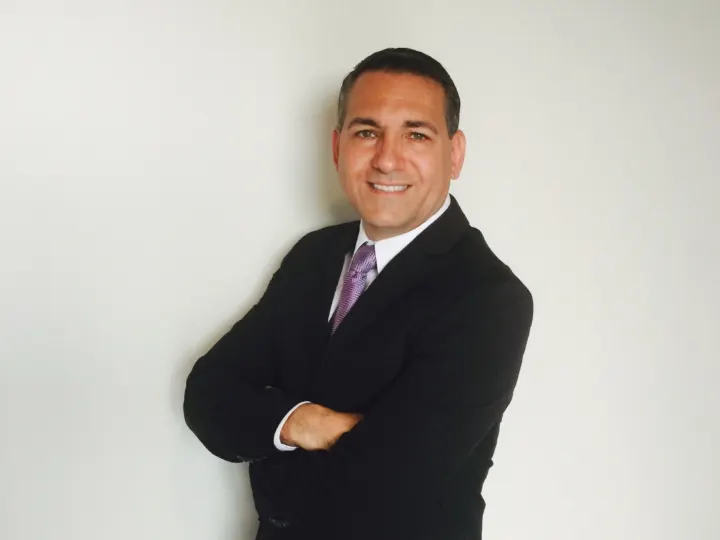
Student Gets Big Head Start to Completing His Degree Thanks to PLA
Inspired by his wife Tatiana, who attended the institution, George Guerrero enrolled at Broward College. It was the first time he stepped foot in a classroom in 33 years. He believes returning to school was one of the best decisions he ever made. Now, Guerrero is on track to earning his Associate of Science in Business Administration in May with a bachelor’s in Supervision Management in December.
Thanks to his past college transcripts and work experience as a project manager and in IT for the US Air Force, Guerrero received 24 credits through Credit for Prior Learning (CPL). Guerrero was given tests to gauge his knowledge, commonly known as a Prior Learning Assessment (PLA), which gave him a head start to fulfilling his academic aspirations.
Some years ago, he was unemployed and looking for a job. During the job search he noticed many employers wouldn’t even offer an interview because he didn’t have a degree, despite his diverse professional resume and the fact he was ex-military. This fueled his desire to finish a degree.
His apprehension about returning to school was eased significantly knowing he wasn’t starting from scratch. Prior Learning Assessments were created with adults like Guerrero in mind, recognizing there is educational value in time spent outside the classroom. Students can essentially get credit from job experience, employment-related training programs and seminars, volunteering, travel, military service or intensive self-directed study.
He felt good heading into night and weekend classes with the idea that what he had done in his life mattered. Eventually, Guerrero did get hired by FICO (Fair Isaac Corporation) as a project manager where he applies the education he is attaining at the College on a daily basis.
After he registered at the College he called his son in Orlando who had some prior credits himself and was in a similar situation. Guerrero encouraged him to go back to school at Valencia. With his wife, who recently graduated from Florida International University, learning truly is a family affair.
There isn’t a limit to the number of hours students can receive through prior learning, but 25 percent of the credits for a degree must be earned by taking classes at the College to satisfy residence requirements for graduation. Credits also are not available for all courses, so it’s best for students to see an academic advisor to discuss career options related to their experience. For more information on the program, visit the PLA website.

Day in the Life of a…Member of Culinary Management
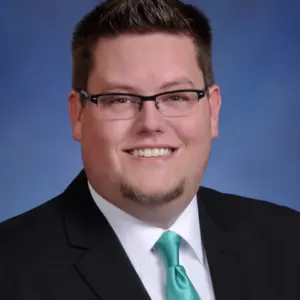 If you ever wondered where an Associate of Science in Culinary Arts Management can take you, then look no further than Richard L. Blanchette, Jr. The Broward College graduate serves as Director of Food and Nutrition for Memorial Hospital West, where he oversees 70 employees.
A Typical Day Looks Like:
7:30 a.m.
His day begins by making the rounds through the various departments. He checks on the cafeteria and the patient tray line to ensure operations are running smoothly, then the same is done in the production area and catering. Then, there is a brief huddle with supervisors in each place to address any special events or other issues that need further discussion.
9:30 a.m.
Blanchette joins directors from each department of the hospital to go over the patient census, how many patients are on each floor, and the number of discharges and transfers. From there, he approves and reviews spending and invoices, and daily tracking is done for monthly operating reports consisting of data such as cafeteria, catering and the tray line expenses and sales.
Noon – 5 p.m.
Someone in his position is accustomed to frequent meetings. Among them are with the Environmental of Care (EOC) team, discussing things like the temperature of the food.
Blanchette is in regular communication with the executive chef to make sure the cooks are sticking with protocol and following the right recipes. Although the tray line menu is uniformed, the cafeteria menu can be adjusted based on feedback, like adding more Latin flavors to fit the area.
In addition to the administrative parts of his job, Blanchette also adds patient satisfaction to his list of responsibilities, which is why Blanchette visits patient rooms to check how they are doing and offer his services to make their care better. From there, he sends dietitians to do consults and follow up with patients.
Blanchette worked his way up the food service ladder from Duffy’s Sports Grill to Coral Ridge Presbyterian Church. He moved into healthcare, starting at Jackson Memorial as executive chef where he was responsible for feeding thousands of people daily. He then moved on to University Hospital and Medical Center where he was the director of food and nutrition before transitioning to Memorial. Through his career, Blanchette found a degree not only looked great on a resume, but helped him stand out from other candidates in the industry who hadn’t received a degree. Blanchette just returned to Broward College, this time to pursue a Bachelor of Applied Science in Supervision and Management.
“You have to put in the time; learn everything,” Blanchette recommends. “Learn what people do. Find a good mentor. With the partnership between Broward College and the technical centers, there is really a good program to put you on the right track.”
If Blanchette made you hungry for a career in this field, check out the Broward College program in the AS in Culinary Arts Management.
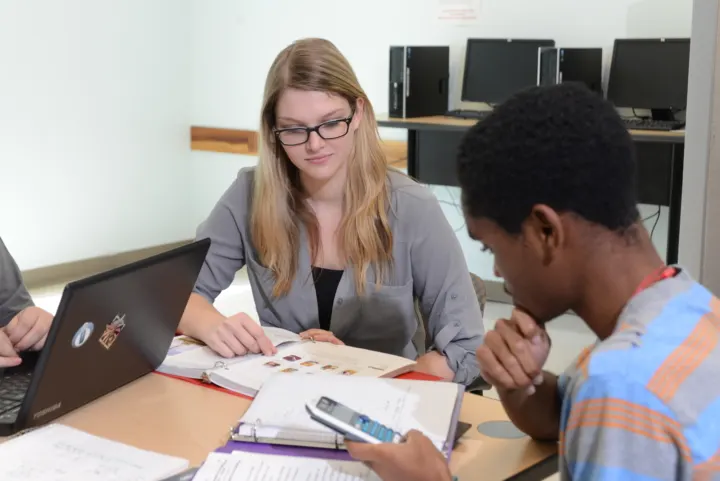
Improve Your Memory for Studying
 So, you’ve planned your study schedule, attended tutorials and met up with friends. All of this is done in an effort to conquer those midterms and finals, but you still have one major problem - remembering what you’ve reviewed. We want to make sure you can ace those upcoming exams so we turned to the experts for some strategies which can be used to improve memory while studying.
Dr. Monique Blake, associate dean of Academic Resources and the Academic Success Centers, says the keys to success are where, how and when we study. Here’s her list of recommendations:
Find a place to study that is comfortable but also has limited-to-no distractions. “We don’t often think about it,” she explained, “but any speech or speech-like sounds such as music automatically use up part of the brain’s attention capacity.”
Identify which method of studying works best. Dr. Blake explained that not every method of studying is suitable for every student. Over time you will be able to determine if studying in a group or alone, at nights or during the day works for you. Whatever method makes the information stick – then that’s the one for you.
Study for courses that have similar materials/topics at the same time. Reviewing material that’s similar in nature makes it easier to remember and connect information as well as create greater mental associations.
Study course material soon after class. I’m sure you’ve heard this one before but Dr. Blake says research has proven that it’s best to study course material after class when the information is fresh in your mind as it helps with retention.
Identify when tests and assignments are due. Store this information in a planner, electronic device (s) etc. This helps your brain to prioritize and focus especially when doing assignments as it is reminded that the information it is processing is important.
Here are a few other tips we found that could help your brain with its retention abilities:
- Sleep. Healthy sleep puts us in the right state of mind to take in information as we go about the day.
- Exercise. Many studies have suggested that the parts of the brain that control thinking and memory have greater volume in people who exercise versus people who don’t.
- Never study on an empty stomach. Glucose improves memory, that’s why memory formation is better after a meal.
- Write Things Out. There’s good evidence that the act of writing itself helps us remember things better. As we’re writing, we create connections between the information we are recording.
This is not an exhaustive list and there’s always more you can do to help improve studying and memory. Remember our Academic Success Centers are equipped with professionals who can help you formulate a plan. For some courses, one on one tutoring or group tutoring sessions may be available.
Day in the Life of…a Medical Assistant
It’s 8 a.m., and there is a quiet inside Quality Women’s Care at Memorial Hospital West in Pembroke Pines. Ana Herrera, decked in blue scrubs, prepares an examining room inside the OB/GYN (Obstetrics and Gynecology) office for an incoming patient. She hangs up a gown and lays out instruments the doctor will use for a Pap smear.
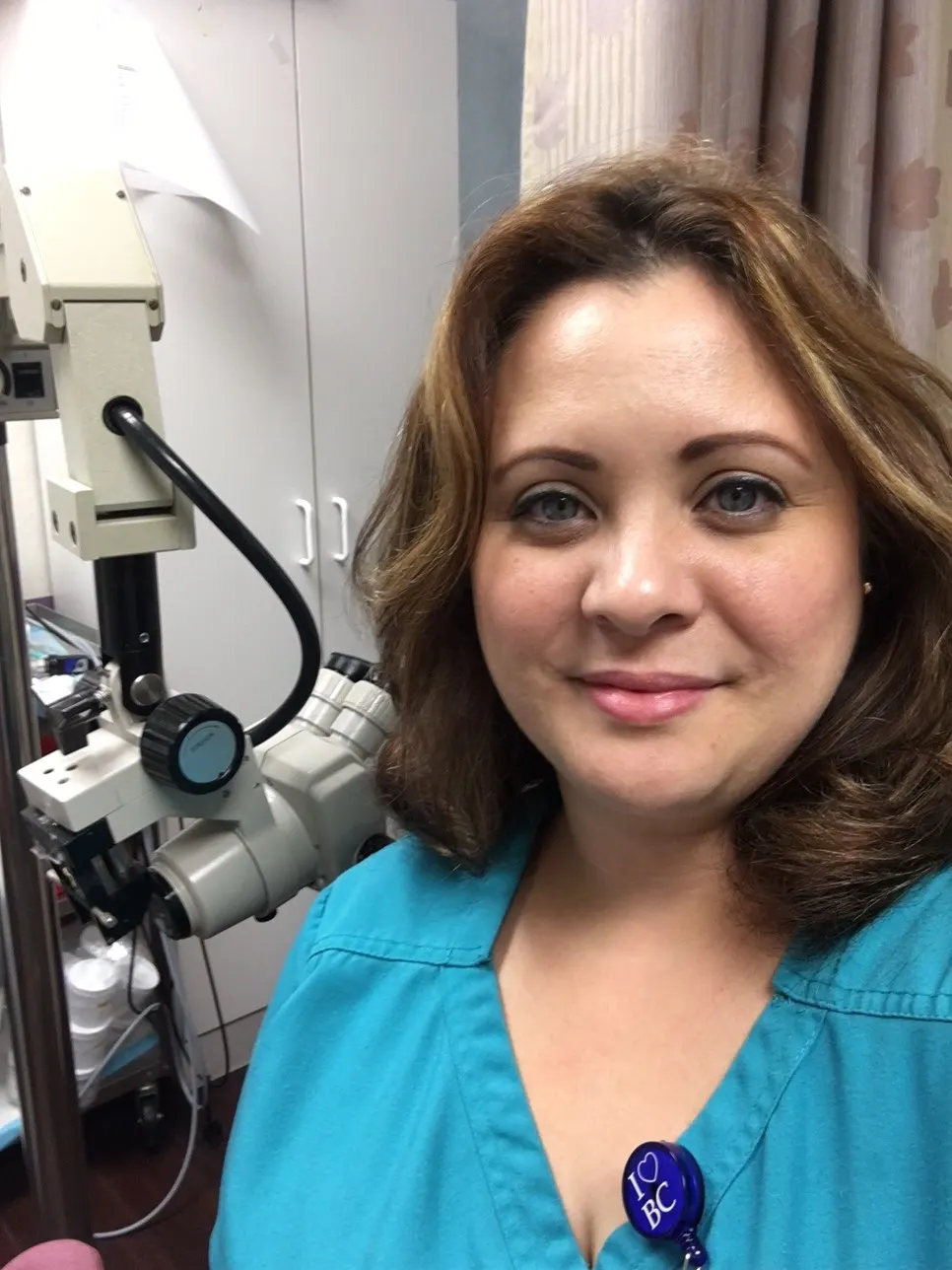 A colposcopy also is scheduled, so she must set up an area with iodine, tubes and necessary instruments for the biopsy of another patient. Herrera, a graduate from the medical assisting certificate program at Broward College, anticipates a busy day right up until 5 p.m., but the mother of three wouldn’t have it any other way, welcoming those sitting in the waiting room with a smile.
A Medical Assistant is a Key Player
Herrera turned an internship into a full-time job at the OB/GYN office. There she plays a pivotal role when it comes to patient care. As a medical assistant Herrera is one of the first points of contacts with the patients, so she tries to ease concerns and helps them feel comfortable with her friendly face. This isn’t always easy considering she is often the one poking them and taking their blood.
Speaking of taking blood, she is responsible for more than just emotional support to patients including taking blood, performing injections on a regular basis, handling lab ordering on behalf of the doctors, helping perform in-office procedures, and even sending out prescriptions to the pharmacy. Herrera will also provide scripts for mammograms and ultrasounds that go to the hospital and radiology.
With all the exciting parts of her job, she does warn those interested in pursuing the occupation to be ready to do paperwork...lots of paperwork. Herrera is thankful that documents including charts are easily accessible electronically.
Possibilities Are Endless
There are many avenues one can take in medical assisting, and OB/GYN among them. Therefore, specific responsibilities may vary. Herrera felt confident to perform her job functions thanks to the foundation and 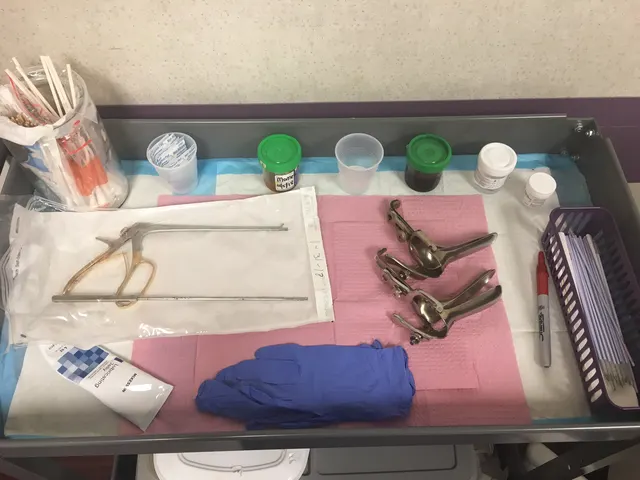 education she received at Broward College.
“It’s well-rounded at BC, so once you come out into the job market, you are ready,” she said. “My tip would be to remain flexible and open to learn the new developments in the field. Broward College teaches you the basics, but it’s important to learn as much as you can once you enter a specialty. Other than that, you will be prepared for a rewarding career.”
What do you do if you’re interested?
As you can tell, medical assistants play a crucial part of the daily operations of healthcare facilities. There also is a growing need to fill positions due to an aging population and continual technological advances. So if Herrera’s recount gets you excited about medical assisting, find out more about the Broward College program, which can be completed in only 10 months.
The Job Shadow tool within the Career Center website is a great tool to explore hundreds of career videos and more.